“big leaf species” search results (100)

Species botany of coffee beans
Scientific taxonomy of coffee: Plantae phylum: embryonic phylum Spermatophyta (unclassified) true dicotyledons eudicots core true dicotyledons core eudicots class: angiosperms Angiosperma (ungraded) chrysanthemum asterids lip-shaped branches lamiids: Gentianales family: Rubiaceae Rubi
2014-06-30 Species of coffee beans botany
El Salvador Coffee producing area introduces the IzaIco area of Sonsonate Province
In 1742, coffee was introduced to El Salvador from the Caribbean (1740). In the mid-19th century, El Salvador's original export pillar Indigo (one of the dyes) received a gradual decline in the development of synthetic dyes in Europe, and coffee gradually became the main export product under the guidance of the government. In 1856, the first 693 bags of coffee beans were shipped to Europe. Until the second World University.
2016-06-21 El Salvador coffee producing area introduction Sonsonate IzaIco
Introduction to the treatment of Salvadoran Coffee
A brief History of Coffee production in 1742, coffee was introduced to El Salvador from the Caribbean (1740). In the mid-19th century, El Salvador's original export pillar Indigo (one of the dyes) received a gradual decline in the development of synthetic dyes in Europe, and coffee gradually became the main export product under the guidance of the government. In 1856, the first 693 bags of coffee beans were shipped to Europe. all long
2016-07-05 El Salvador coffee processing way method introduction boutique
Introduction to the balanced and soft flavor of El Salvador boutique coffee
The civil war caused chaos and affected economic development, but ironically allowed the ancient coffee to be preserved, and the situation was so chaotic that coffee producers in El Salvador failed to catch up with the renewal of coffee varieties in Central and South America. El Salvador produces 100% Arabica coffee, of which 68% is Bourbon, Coffea arabica var. Bourbon), 29% Pacas, the rest
2016-07-16 Balanced soft El Salvador coffee flavor taste introduction
El Salvador Coffee country introduces the boutique of Renas Manor in IzaIco area of Sonsonate Province
A brief History of Coffee production in 1742, coffee was introduced to El Salvador from the Caribbean (1740). In the mid-19th century, El Salvador's original export pillar Indigo (one of the dyes) received a gradual decline in the development of synthetic dyes in Europe, and coffee gradually became the main export product under the guidance of the government. In 1856, the first 693 bags of coffee beans were shipped to Europe. all long
2016-07-06 El Salvador coffee country of origin introduction Sonsonate IzaIco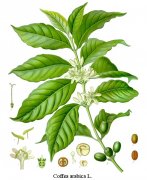
Coffee cultivation techniques detailed explanation of planting knowledge of Coffee trees
Coffee, cocoa and tea are called the three major beverages in the world, and their output, consumption and output value all rank first. In addition to being used as a beverage, coffee can also extract caffeine and coffee oil; in medicine, it can be used as an anesthetic, stimulant and diuretic cardiotonic agent. Coffee pulp can be used to make wine, vinegar, pectin and molasses; dried pulp can be used as animal feed; dried fruit shell can be used as fertilizer and burning
2015-02-16 Coffee cultivation techniques planting knowledge detailed explanation
Salvadoran coffee with a nice sweetness Taste Manor Features of the region Renas Manor
A brief history of coffee production In 1742, coffee was introduced into El Salvador from the Caribbean (one said 1740). In the mid-19th century, El Salvador's original export pillar Indigo (Indigo, a dye) gradually declined due to the development of synthetic dyes in Europe, and coffee gradually became the main export product under the leadership of the government. In 1856, the first 693 bags of coffee beans were shipped to Europe. always
2016-08-06 good sweetness el coffee flavor taste estate region characteristics medium
Introduction of Coffee Tree species
Typica (Typica) is the species name of coffee beans, and it is one of the oldest varieties of Arabica. Iron pickup, also known as the old variety of small-grain coffee, its yield is less, cultivation is difficult, so the price is much higher than ordinary small-grain coffee. Tibica coffee is native to Ethiopia.
2014-07-22 Coffee tree species coffee tree species classification coffee encyclopedia coffee knowledge
How many varieties of coffee beans are there in the world
There are more than 70 kinds of coffee in the world, of which 3 are mainly cultivated in China. ① small seed species, also known as Arabica coffee, is native to Ethiopia and is cultivated in Taiwan, Fujian, Guangdong, Guangxi, Yunnan and Sichuan. Shrub, 4-6 m tall, with many branches in the basal part; leaves thinly leathery, ovate-lanceolate or lanceolate, entire or undulate, terminal bud green or bronzed, so
2016-06-05 Global total how many coffee beans varieties
How many varieties of coffee beans are there in the world
There are more than 70 kinds of coffee in the world, of which 3 are mainly cultivated in China. ① small seed species, also known as Arabica coffee, is native to Ethiopia and is cultivated in Taiwan, Fujian, Guangdong, Guangxi, Yunnan and Sichuan. Shrub, 4-6 m tall, with many branches in the basal part; leaves thinly leathery, ovate-lanceolate or lanceolate, entire or undulate, terminal bud green or bronzed, so
2016-06-05 Global total how many coffee beans varieties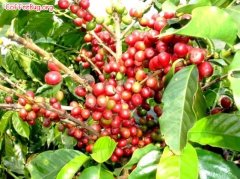
The basic knowledge of coffee beans coffee three original species introduction
Coffee belongs to the evergreen shrubs of the genus Coffee of Rubiaceae, centered in tropical regions, with about 500 genera and 6000 species of Rubiaceae plants distributed here. Coffee has long been thought to have certain medicinal effects, such as invigorating stomach, refreshing mind, stopping bleeding, dissipating heat, strengthening body, etc. More famous Rubiaceae plants and gardenia, its fruit has long been dried as medicine
2015-10-26 coffee beans basics coffee three native introduction
There's a lot of energy lurking in little coffee beans.
Small coffee beans hide a lot of energy. So, where are the best coffee beans? Where is the origin of coffee beans? What is the standard of good coffee? Now let's take a look at what the article says. Coffee beans would rather have the kind of Chen Sheng and Wu Guang who rose up thousands of years ago and shouted: how dare the princes? Learn early in the morning
2015-09-10 Small coffee beans lurking big energy small hidden
How do coffee beans come from? what are the legends about coffee beans?
Coffee tree belongs to the evergreen tree of Rubiaceae. Since ancient times, most of the plants of Rubiaceae are plants with special effects, such as quinine tree, which is regarded as a specific drug for malaria, and Dugan, which is used to treat amoeba dysentery. Coffee is defined as the most unique alkaloid drinking flora. Usually after sowing for two to three years, coffee trees can grow to a height of about five to ten meters, but to prevent coffee beans from losing their aroma and flavor.
2016-06-30 Coffee beans how about legends all have what say
The characteristics of Indonesian Coffee Flavor Manor and its Taste introduction to Rasuna Vahana Manor
When Indonesian consumers know more about quality coffee, there is an increase in the number of special coffee shops, according to coffee owners: in big cities like Jakarta, Surabaya, Bandung and Bali, special coffee shops are growing rapidly, which also shows that consumers know more about coffee, and coffee shopkeepers must choose high-quality coffee ingredients.
2016-07-25 Indonesia coffee flavor manor producing area characteristics taste introduction Lassu
The basics of coffee beans
Coffee belongs to the evergreen shrub of the genus Rubiaceae, which is centered in the tropics. There are about 6000 species of Rubiaceae belonging to 500 genera. Coffee has always been thought to have certain effects, such as strengthening the stomach, waking up the brain, stopping bleeding, dissipating heat, strengthening the body, and so on. The more famous Rubiaceae plant is Gardenia jasminoides, whose fruit was dried and used as medicinal material a long time ago.
2014-08-18 Coffee knowledge coffee bean knowledge coffee encyclopedia
Introduction of Coffee Tree species Tibikadi Katie pickup truck
Typica (Typica) is the species name of coffee beans, and it is one of the oldest varieties of Arabica. Iron pickup, also known as the old variety of small-grain coffee, its yield is less, cultivation is difficult, so the price is much higher than ordinary small-grain coffee. Tibica coffee is native to Ethiopia.
2015-04-17 Coffee grower introduction Tippi Tibby pickup
To show you the true face of coffee.
Small and round dark brown coffee beans, quietly emitting a fragrant fragrance in the grinder, injected into the cup showing the beautiful color of amber, these are the three very deep impressions of coffee. As you explore the history and beauty of coffee, you can also see the coffee trees that are caressed by the tropical sun and whose leaves twinkle. It has small white flowers similar to jasmine.
2014-08-22 Coffee knowledge coffee tree species coffee powder Yunnan coffee
Yunnan Arabica coffee bean types of iron pica
One. Iron pickup is also known as the old variety of small coffee, its yield is small, cultivation difficulty is large, so the price is much higher than ordinary small coffee. Tibica coffee is native to Ethiopia and southeastern Sudan and is the most widely cultivated coffee variety in the Western Hemisphere. The plants are more robust, but less tolerant to light, and yield more in Hawaii. The top leaf of Tibika is red copper color, which is called red top coffee. Emperor
2016-06-07 Yunnan Arabica Coffee Bean Species Tibi
Tiebika (Typica) Tibicati pickup truck
Tiebika (Typica Tibikati pickup) is the species name of coffee beans and is one of the oldest varieties of Arabica. Iron pickup, also known as the old variety of small-grain coffee, its yield is less, cultivation is difficult, so the price is much higher than ordinary small-grain coffee. Tibica coffee, native to Ethiopia and southeastern Sudan, is the most widely cultivated in the Western Hemisphere.
2014-06-26 Types of coffee coffee beans boutique coffee beans
Development of Coffee Industry in Simao District
Shenjiu flew into the sky and attracted worldwide attention. The three kinds of seeds of Simao pine, big-leaf tea and small-grain coffee carried in Pu'er city have entered into space, marking a new milestone in Pu'er coffee breeding. In the face of the central western development strategy and the historical opportunity of Yunnan Province to build a strong green economy province, there are a series of opportunities around Pu'er to build a national green economy experimental and demonstration zone and to build a coffee capital of China.
2014-04-27 Simao District Coffee Industrial Development situation Feitian attracting worldwide attention Pu'er City carrying